The 7th International Conference on Risk Assessment of Pharmaceuticals in the Environment (ICRAPHE 7) was held concurrently with the 22nd Annual Workshop on Emerging High-Resolution Mass Spectrometry & LC-MS/MS Applications in Environmental Analysis and Food Safety. Both events took place in Barcelona, Spain from 9 to 11 November under the auspices of IDAEA-CSIC (Barcelona, Spain), the University of Almería, the Académie nationale de Pharmacie and the Royal Academy of Pharmacy of Catalonia.
PSIPW laureate Damià Barceló Cullerés of the University of Almería (winner of PSIPW’s Water Management and Protection Prize in 2012) represented PSIPW at both events and officiated the PSIPW’s honours.
ICRAPHE 7 focused on exploring the fate, risk, and removal of pharmaceutical residues in the environment. It was first held in Paris, France in 2016 and has subsequently taken place in Hangzhou (China), Anacapri (Italy), Aveiro (Portugal), and Barcelona (Spain). PSIPW has been an ongoing partner of ICRAPHE since its 2nd iteration in 2019.
PSIPW supported five distinguished researchers at the conference:
Emili Esteve, of the Technical Department, Farmaindustria, Spain, who presented “Fair, efficient, and sustainable management of urban wastewater without compromising access to medicinal products.”
Torsten C. Schmidt of the Instrumental Analytical Chemistry and Centre for Water and Environmental Research (ZWU), University of Duisburg-Essen, Germany, for presenting: “From source to tap: Perspectives of water monitoring using liquid chromatography high-resolution mass spectrometry.”

Kevin Tucker, of the Department of Chemistry, Southern Illinois University Edwardsville, USA, for “Toxicological impacts of environmentally relevant pharmaceuticals: Bioconcentration, tissue-specific distribution, and ecological implications by advanced mass spectrometry.”
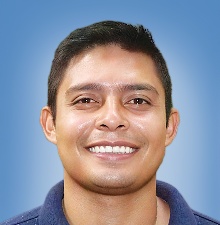
Henry Nelson Zúñiga-Benítez, Associate Professor in the Department of Chemical Engineering, Universidad de Antioquia, Medellín, Colombia, for “Removal of pharmaceuticals from synthetic human urine using ozone-based advanced oxidation processes.”

María Martínez Valladares, Senior Scientist for the Spanish National Research Council (CSIC), Universidad de León, presenting “COST Action ENVIRANT: Anthelmintics, from its farming use to the environment.”
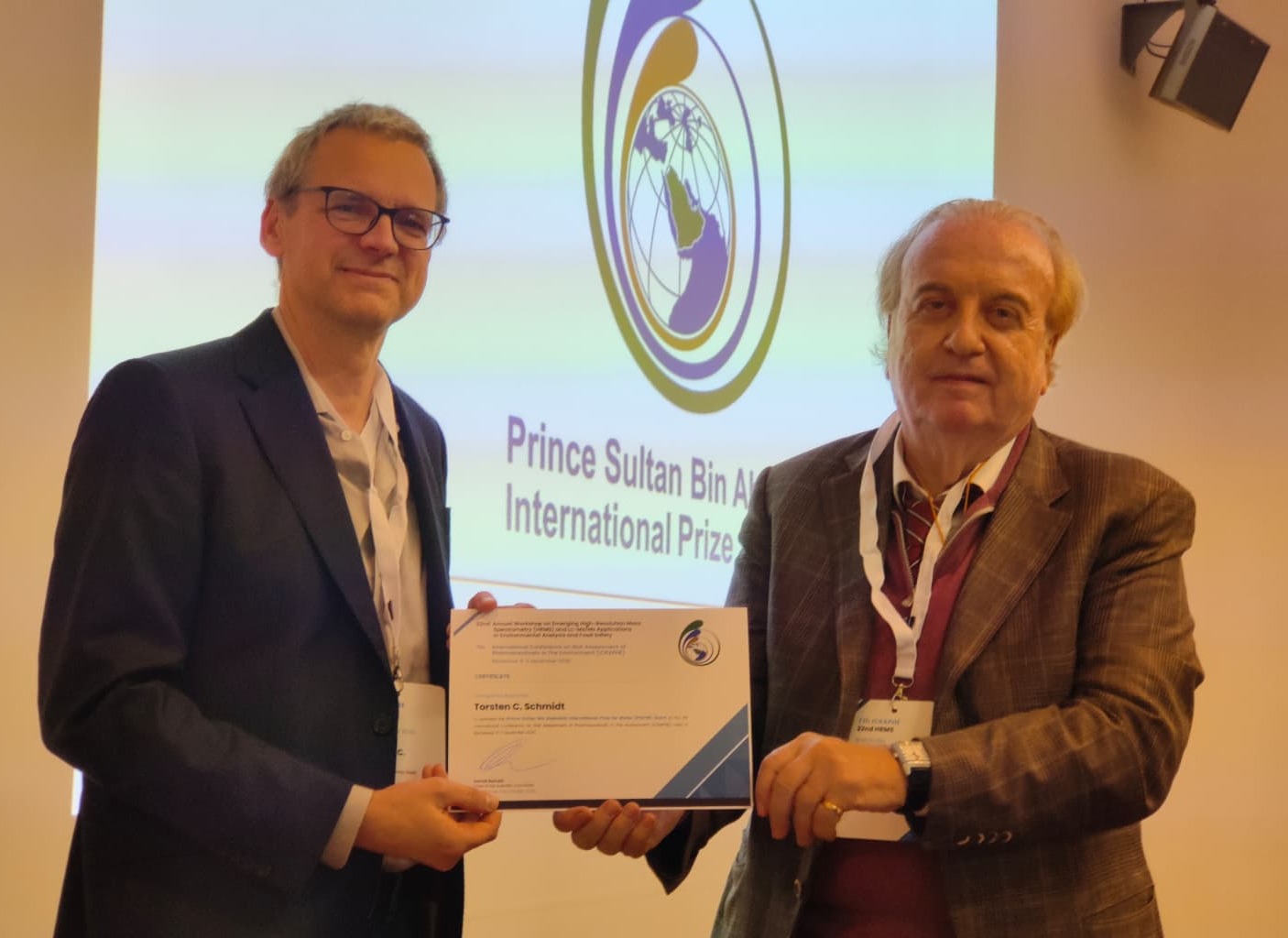
The 22nd HRMS Workshop focused on the practical applications of high-resolution mass spectrometry (HRMS) and tandem mass spectrometric techniques for screening and quantification of organic contaminants in environmental and food samples. The workshop dates back to 2005 and rotates annually between Spain, Canada, and the United States. PSIPW has contributed to the workshop since its 16th iteration in 2020.
PSIPW supported two distinguished researchers at the workshop:

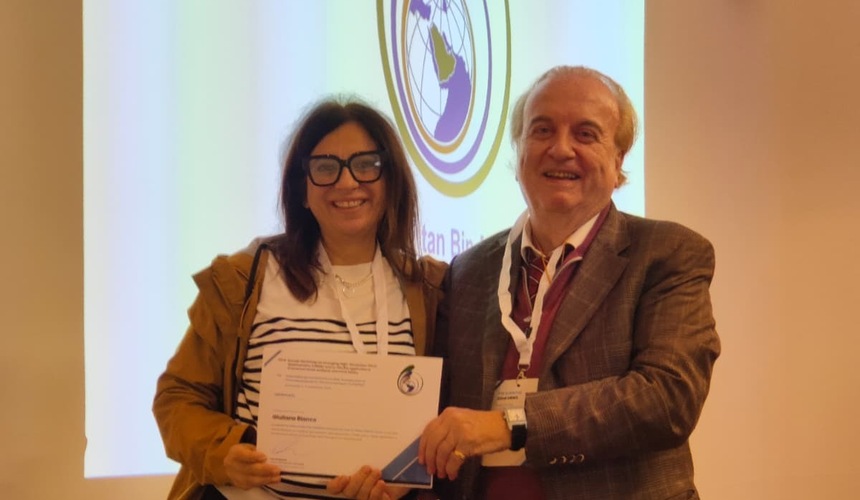
Giuliana Bianco of the Department of Basic and Applied Sciences, University of Basilicata, Italy, for “High-resolution mass spectrometric monitoring of dissolved organic matter and pollutants in Basilicata region reservoirs.”
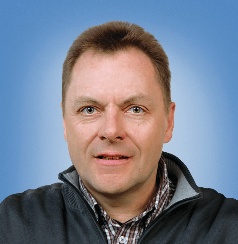
Christian Zwiener from the Department of Environmental Analytical Chemistry at the University of Tübingen, Germany, for “PFAS in AFFF contaminated sites – What can we learn from LC-HRMS analysis.”
PSIPW also supported a young researcher to participate at the workshop:
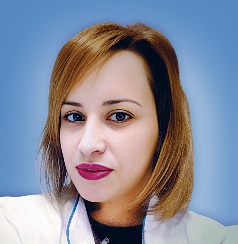
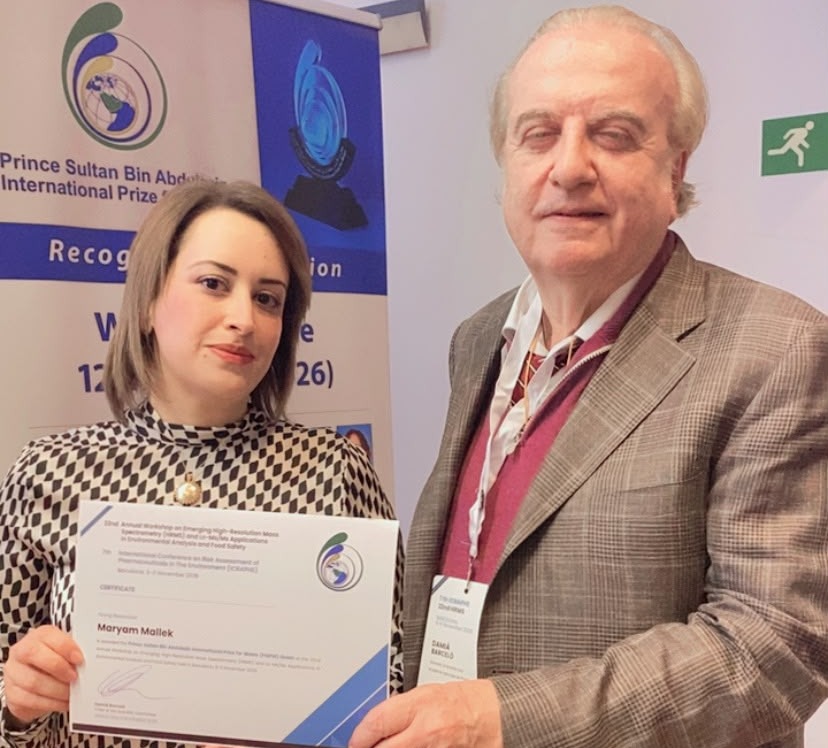
Maryam Mallek, a postdoctoral researcher at Poznań University of Technology (PUT), Poland, participated with “PFAS analysis and removal in aquatic systems: the role of advanced mass spectrometry in supporting treatment strategies”.